Identities are now the primary cyberattack vector. Learn how Zero-Trust access, PAM, and identity security protect modern hybrid enterprises.
The New Cyber Perimeter
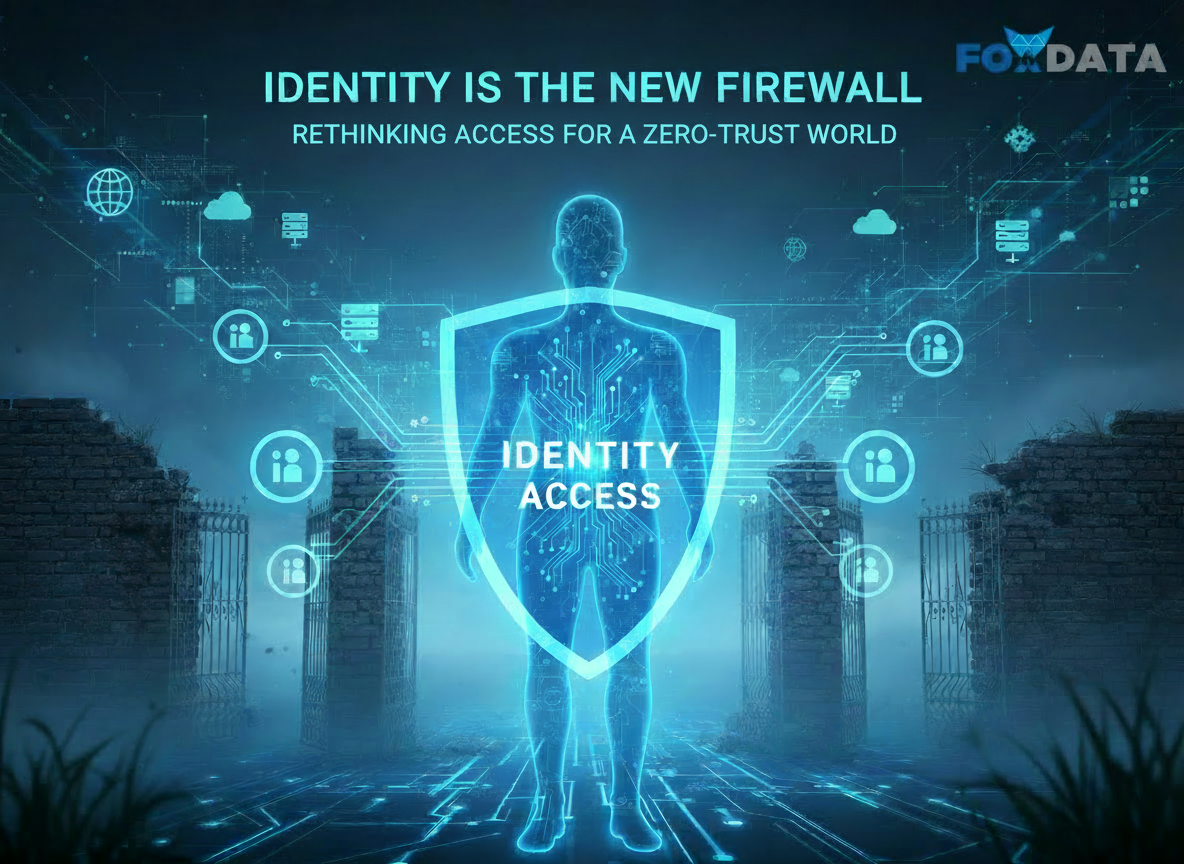
In rapidly digitizing economy, the traditional network perimeter has dissolved. Today, identity is the new control plane, and access misuse is the #1 cause of breach attempts. With smart city initiatives, AI public services, open banking, and borderless hybrid work, enterprises face a growing identity attack surface.
According to the UAE Cybersecurity Council, 85% of cyberattacks in the UAE involve credential theft, phishing, or privilege abuse. Attackers no longer “break in” — they log in.
“Identity security is now the foundation of Zero-Trust. We must verify every user, every device, every action — every time.”
— UAE Cybersecurity Council StatementWhy Identity Threats Are Surging
Three market dynamics accelerate exposure:
- Cloud-first digital transformation
Enterprises are rapidly adopting SaaS, IaaS and multi-cloud — making visibility and governance fragmented.
- Expanded workforce & partner ecosystems
Contractors, managed service providers, and offshore developers often gain privileged access.
- Customer experience disruption
Every unnecessary login friction creates churn — customer identity matters as much as employee identity.
The CISO Shift: Zero-Trust Identity Security
Identity-first security focuses on risk-adaptive access, not static privileges.
Key requirements in Zero-Trust models:
- Strong multi-factor authentication (MFA)
- Privileged Access Management (PAM)
- Identity Governance & Just-In-Time access
- Password less authentication
- Continuous session monitoring & analytics
CIS Control 5 and Information Assurance Standards (IAS) explicitly mandate identity lifecycle management and privilege control.
Privileged Access Management (PAM): The High-Value Target
Privileged identities (admins, service accounts, APIs) now represent only 2% of identities but 80% of risk.
Attack chains breaches increasingly exploit:
- Standing / always-on privileges
- Weak credential vaulting
- Infrastructure as Code (IaC) secrets
- Remote privileged access
Modern PAM enforces:
- Vaulting & rotation
- JIT elevation for admins
- MFA for all privileged actions
- Session oversight & real-time alerts
Workforce Identity: More Trust, Less Friction
With more and more workforce mobility penetration, secure access must remain seamless:
- Single Sign-On (SSO)
- Role-based access policies
- Device health Posture checks
- Conditional access based on risk scoring
A secure user should never suffer degraded experience.
Customer Identity (CIAM): Security Without Abandonment
UAE e-commerce is growing above 10% CAGR. Poor authentication = lost revenue.
CIAM best practices:
- Password less login
- Risk-based adaptive MFA
- Privacy-first consent (align with GDPR/UAE PDPL)
Secure digital services fuel consumer trust.
Executive Outcomes for UAE Leaders
Business Priority
National-level compliance
Ransomware reduction
Operational efficiency
Customer trust
Identity Security Impact
Meets NESA / ADSIC / PDPL controls
Stops lateral privilege escalation
Less downtime & support tickets
Higher retention & service adoption
Identity = Resilience + Trust + Agility.
How Fox Data Tech Helps
Fox Data Tech supports organizations with:
- Identity maturity assessment
- Zero-Trust architecture mapping
- PAM & CIAM deployment services
- Managed identity operations
- Technology Partnerships (examples):
- Identity Access: Okta
- Privileged Security: CyberArk
- Endpoint identity health: CrowdStrike EDR integration
Secure every identity in your organization — before adversaries exploit it.
Contact Fox Data Tech for a Zero-Trust Access Readiness Assessment. Reach out: info@foxdatatech.com